

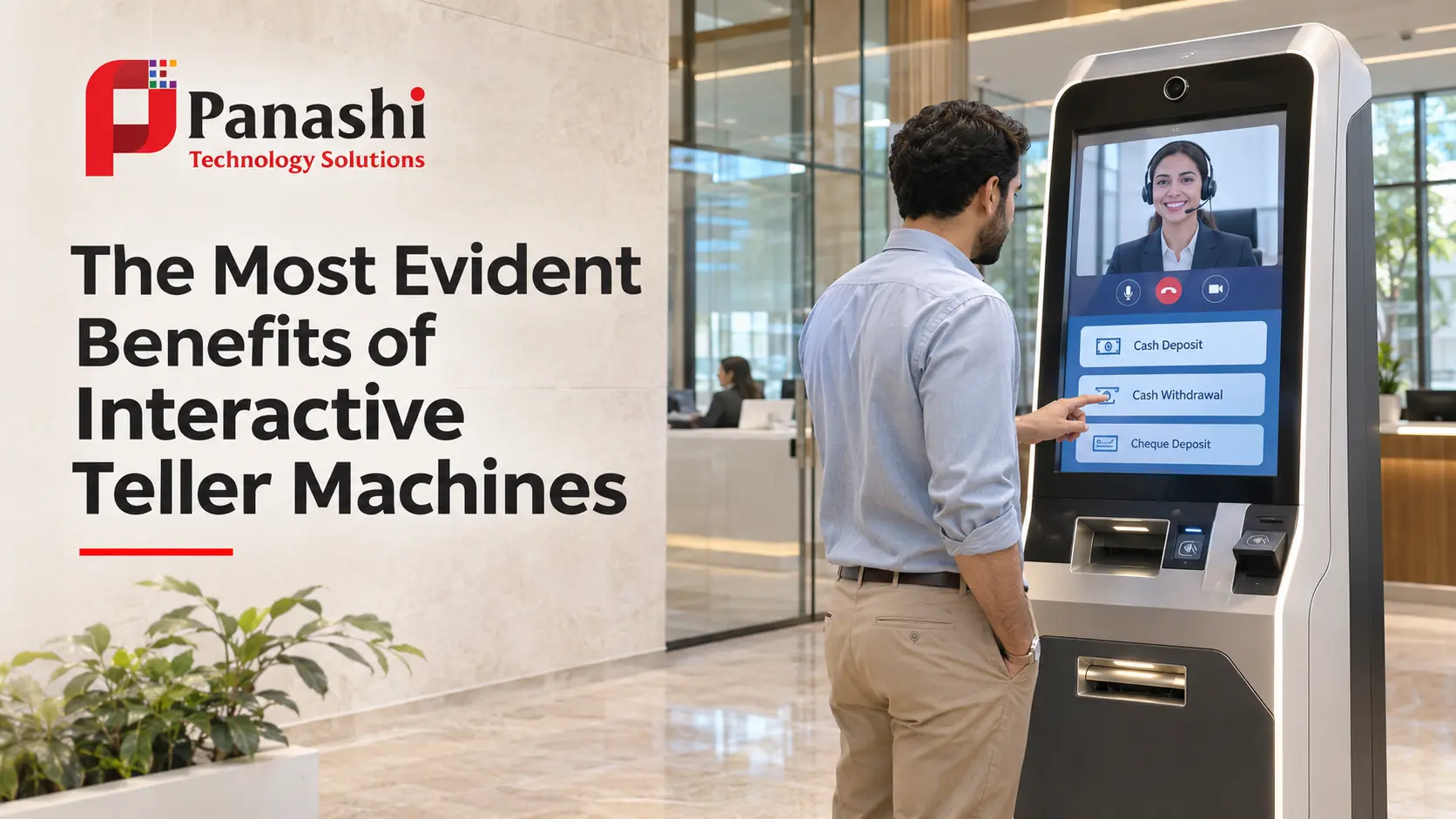
The Top 9 Benefits of Interactive Teller Machines (ITMs)
The waves of self-service technology have already hit the banking domain long back. ATMs which were once a luxury, became a necessity in the banking sector in the 90s. Since then, the banking sector had witnessed many technological advancements like internet banking and mobile banking.
As of now, we are witnessing the incorporation of a more advanced version of the ATM – the ITM. Yes, financial institutions are nowadays implementing ITMs or Interactive Teller Machines to extend their services to the customers and enhance their reach.
This blog walks you through the top 9 benefits of Interactive Teller Machines.
What is an Interactive Teller Machine (ITM)?
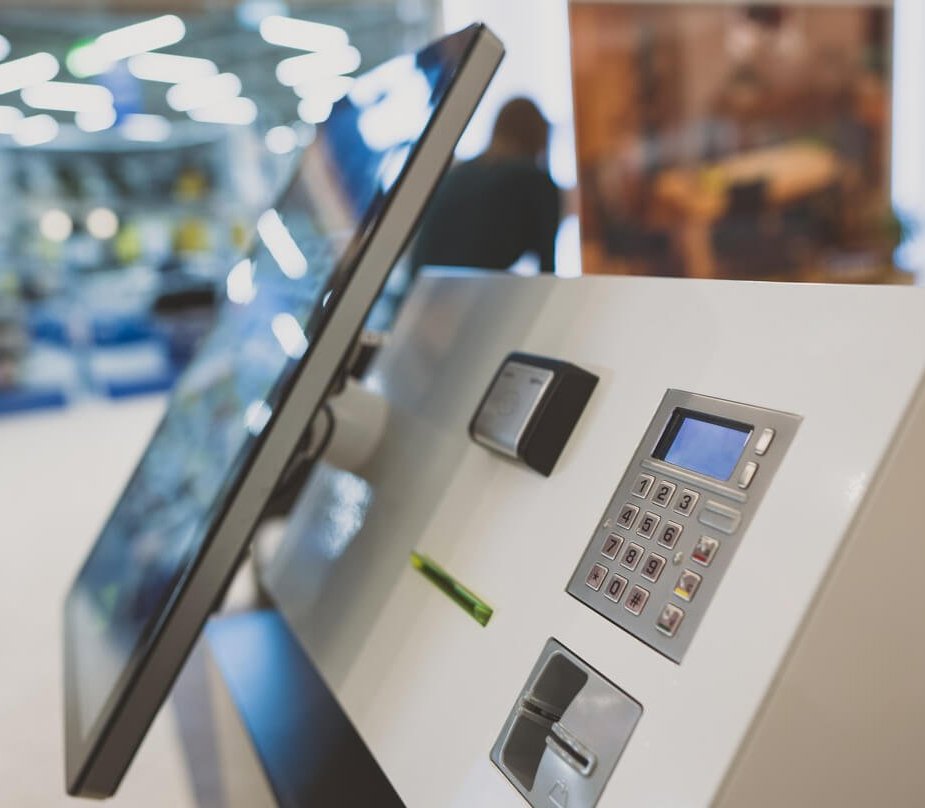
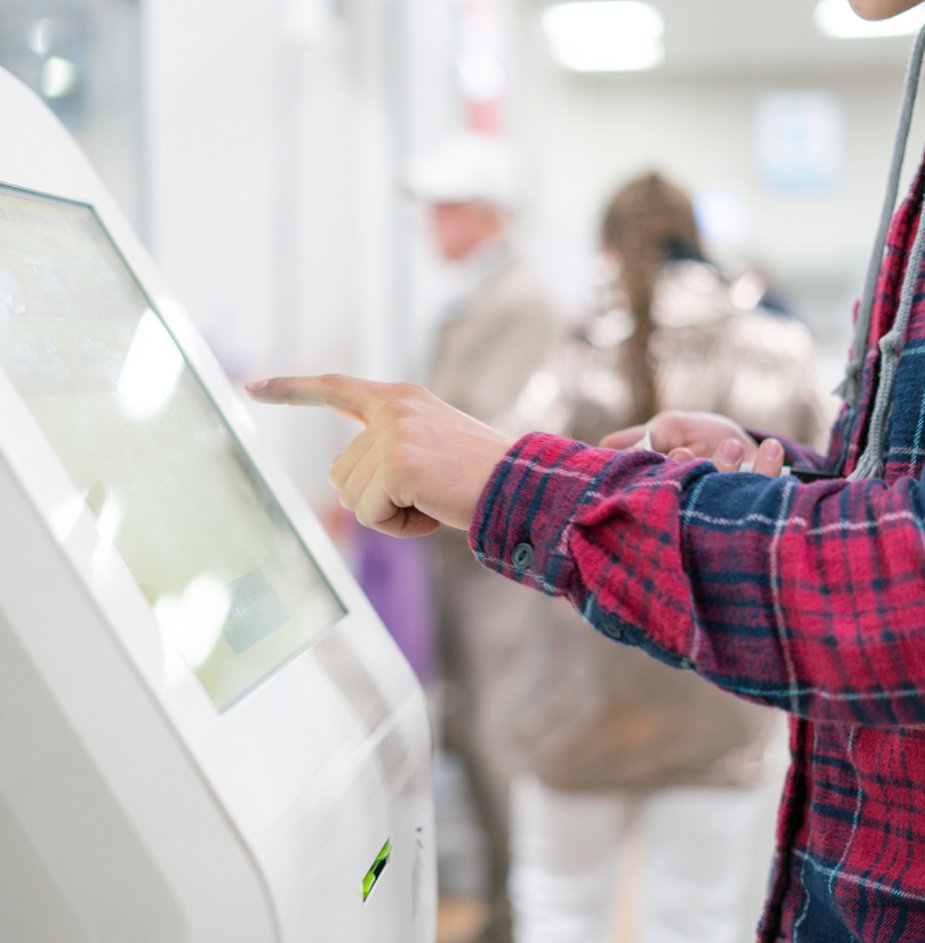
In simple words, an ITM can be represented as an interactive ATM machine equipped with video calling facility.
The customers can perform the regular transactions via the ITM interface, which is similar to the ATM interface, and interact with a teller real-time via video conferencing. The teller might be located at the main branch or a call-centre, whichever convenient. Even though the teller is located at a different location, the virtual bank teller via ITM can provide most of the services offered at a conventional branch.
ITMs can be implemented in a much lesser footprint compared to the bank branch system. As you all know, the conventional bank branch comes with a larger footprint, greater number of employees, and increased operational costs.
Hardware components of an ITM
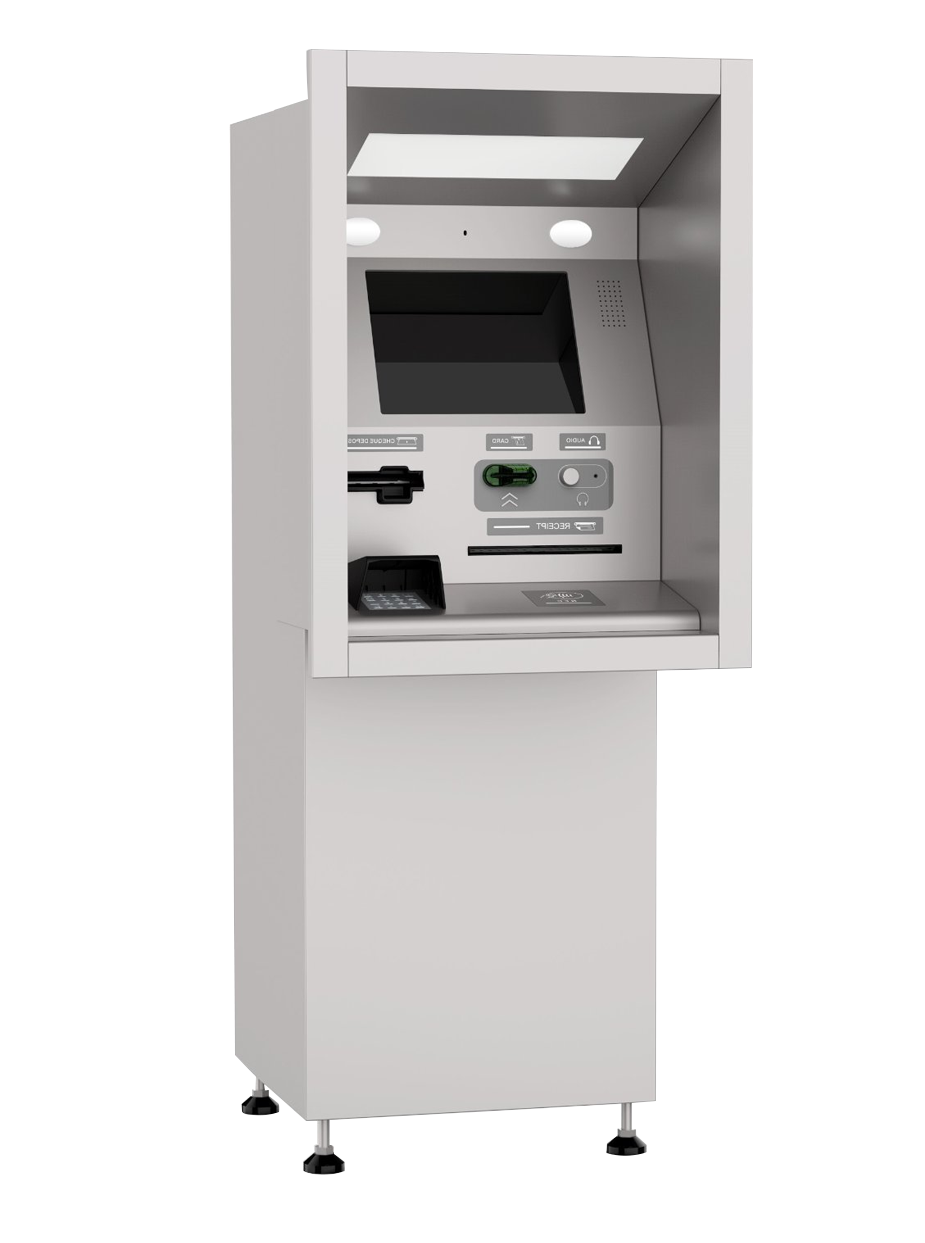
ITMs share the hardware components of an ATM. But it is loaded with more.
The chief components are:
- Touchscreen display - Shows menus and prompts so customers can choose and confirm transactions.
- Card reader - Reads the customer’s debit or credit card to identify the account and start the transaction.
- Biometric modules – allows users to verify their identity via facial recognition or fingerprint.
- PIN pad - Lets customers enter their PIN securely to verify their identity.
- Receipt printer - Prints a record of each transaction for the customer to keep.
- Signature pad - Captures the customer’s digital signature for transactions that need written authorisation.
- Cash recycler - Reuses deposited notes for withdrawals, so the machine needs fewer refills.
- Cash and coin dispenser - Dispenses exact amounts in notes and coins for withdrawals or cashed cheques.
- Card dispenser - Prints and issues new or replacement debit cards on the spot.
- Document scanner - Scans IDs, passports or other documents to verify the customer.
- Deposit slot - Accepts cash and cheques, scanning and verifying them in real time.
- Speaker and microphone - Lets the customer and the remote teller hear each other clearly during the video call.
- Video camera - Connects the customer to a remote teller over live video call.
Interactive Teller Machine market size - Global
According to the study report published by Market.us, the global Interactive Teller machine market size is estimated at a value of USD 692.3 million, as of 2026. By 2035, the value is predicted to reach USD 8,029.8 million attaining a CAGR of 31.30% during the forecast period.
Here are the key takeaways of the report.
- North America accounts for 38.9% of the global revenue.
- Banks represent more than four-fifths (81.4%) of the global ITM demand.
- More than 80% of the financial establishments that installed ITMs observed improved branch efficiency.
- Nearly seven in ten customers say an ITM’s remote teller gives them an experience on par with the branch.
- More than 40% of the customers prefer an ITM to interact with a teller so that they can avoid the waiting lines.
How to talk to an ITM teller?
The ITM works almost similar to an ATM machine. But, you have a remote teller here!
- Access the ITM machine, and touch the screen to start the interaction.
- Select the “Talk to the Teller” option.
- Perform identity verification by inserting an ID card or debit card.
- After identity verification, the system immediately connects the user to a bank teller.
- Ask your query or service-related request to the teller.
- The teller offers the required service to the user.
- The user completes the transaction and receives a receipt.
Benefits of Interactive Teller Machines
An Interactive Teller Machine serves as a feasible, cost-cutting mechanism for financial institutions as it provides almost all the major services offered by the conventional bank branch with minimum investment.
The most evident benefits are listed below.
- Reduced operational cost – The reduced footprint of the ITM helps banks to operate one at the corner of a busy junction or in the premises of a college campus. Hence the bank management can save the huge rent amount connected with a physical branch. An ITM can bypass other expenses like electricity, maintenance and service cost etc.
- Improved customer satisfaction – The ITM machines can serve as an alternative to a bank teller and handle most of the teller tasks. The customer need not stand in the queue for a long time, particularly during the peak hours, to perform various banking transactions. Instead, they can visit any of the ITMs that are deployed at multiple locations to perform the same transaction. This makes banking transactions highly convenient. The improved convenience makes the customers revisit the ITM to perform similar transactions in the future. And this adds to customer satisfaction.
- Efficient transactions – ITMs handle teller-tasks like cash deposit or withdrawal, cheque deposit/cashing, payment of loans with accuracy and minimum time. ITMs also facilitate bulk withdrawals after initiating a video call user-confirmation. All these features improve the overall efficiency of banking operations.
- Facilitates cross-selling – As ITMs handle most of the responsibilities of the teller, the teller as an employee need not perform the same mundane tasks. The bank or the financial institution may assign the employee more higher value tasks that require communicating or interacting with the customers. Opportunities to interact with customers facilitate cross-selling. Cross selling helps in introducing banking products and services to banking customers. And this adds to the revenue of the financial institution.
- Improved brand awareness – Interactive Teller Machines serve as a “box branch” facility. Financial institutions may set up an ITM at any preferred location or spot where people come in large numbers. For example, college campuses, railway station premises, tourist spots etc. are ideal for ITM deployment. Moreover, the cost of setting up an ITM is far less compared to opening a physical bank branch. ITMs can operate in a minimum footprint which is not possible in the case of a branch. Due to these reasons, implementation of an Interactive Teller Machine is one of the most feasible strategies to improve the brand awareness of the financial institution.
- Enhanced distribution and utilization of employees – As the “video teller machines” take care of the customer needs, the employees can concentrate on more customer-centric services that add value to the financial institution.
- Gain competitive edge – By implementing ITM banking, the financial institution attains the competitive edge over its competitors, as it showcases well-thought-out, technology-driven banking solutions to facilitate 24/7 banking.
- Drive-thru ITM deployments – Banks may deploy an ITM outside the physical branch in a drive-thru format. This helps customers access services without getting out of their vehicles.
- New customers – When customers feel that they are heard and assisted, they become the most loyal advocates of the establishment. Technological advancements like ITMs attract millennials and Gen Z customers to banking establishments. Young adults make the maximum use of technological advancements and innovations irrespective of the domain.
Panashi ITM Project for Wahda Bank
We’ve implemented ITM for our esteemed client Wahda bank, Libya as part of bank’s Smart Bank initiative. The video conferencing facility of the ITM makes transactions like account opening simple, less time-consuming, and highly efficient.
The user provides the necessary credentials to open the bank account at the ITM interface which is followed by a live, interactive, user-confirmation process. This confirmation is done via video conferencing by a bank representative.
The new bank account is issued after the bank’s final approval.
To conclude
If you are planning to implement ITMs as part of your expansion or digital banking initiative, please do the most needed research pertaining to demographic studies, customer requirements etc.
Conduct a survey which involves the active participation of the employees and customers. An opinion poll can also help in this regard. Understand the needs of the customers, and acquire valuable feedbacks from employees.
Once implemented, provide adequate support to the customers regarding the use of ITMs. Financial institutions may make use of interactive walls to educate customers about the added benefits of Interactive Teller Machines.
Frequently
Asked Questions
Yes. Panashi supplies ITMs to leading banks in Riyadh, Jeddah, and all other regions in Saudi Arabia. We customise each ITM to match your services, branding and compliance needs.
Yes. Panashi is headquartered in Dubai, so our team can support your ITM project closely at every stage. The ITM implementation covers design and manufacturing to installation and after-sales service.
There is no fixed price for the ITMs. A typical banking ITM is built around what your branch needs. The cost depends on the components you chose, software integration, the number of units, etc. Share your requirements with us, and we’ll send you a detailed quote at the earliest.
Yes. Panashi can build ITMs for drive-thru lanes outside your branch. Your customers can then bank without getting out of their vehicles. The ITM enclosure is also built to handle heat, dust and rain.
Yes. Panashi supplies digital banking kiosks and ITMs for flagship branches in Africa’s major cities. An ITM lets the branch offer extended-hours service for transactions that need a teller like cheque deposits and account opening. This significantly reduces customer waiting time, especially during peak hours.