


12 Latest Technology Trends in Hospitality Industry 2026
Would you believe the latest technology trends in Hospitality industry have got something to do with the Covid 19 pandemic?
The Covid 19 pandemic had its implications on both the hospitality management and customer experience aspects. Limiting face-to-face human interactions was paramount during the pandemic times. And therefore, hotels and restaurants across the world invested in technology to facilitate minimum human interaction. The deployment of contactless payment options and concierge robots were part of this strategy.
Technological advancements in hospitality business can improve the day-to-day operations of a business to a great extent.
We shall have a closer look at some of the latest technology trends and their benefits in the hospitality sector.

Cardless Payment Platforms
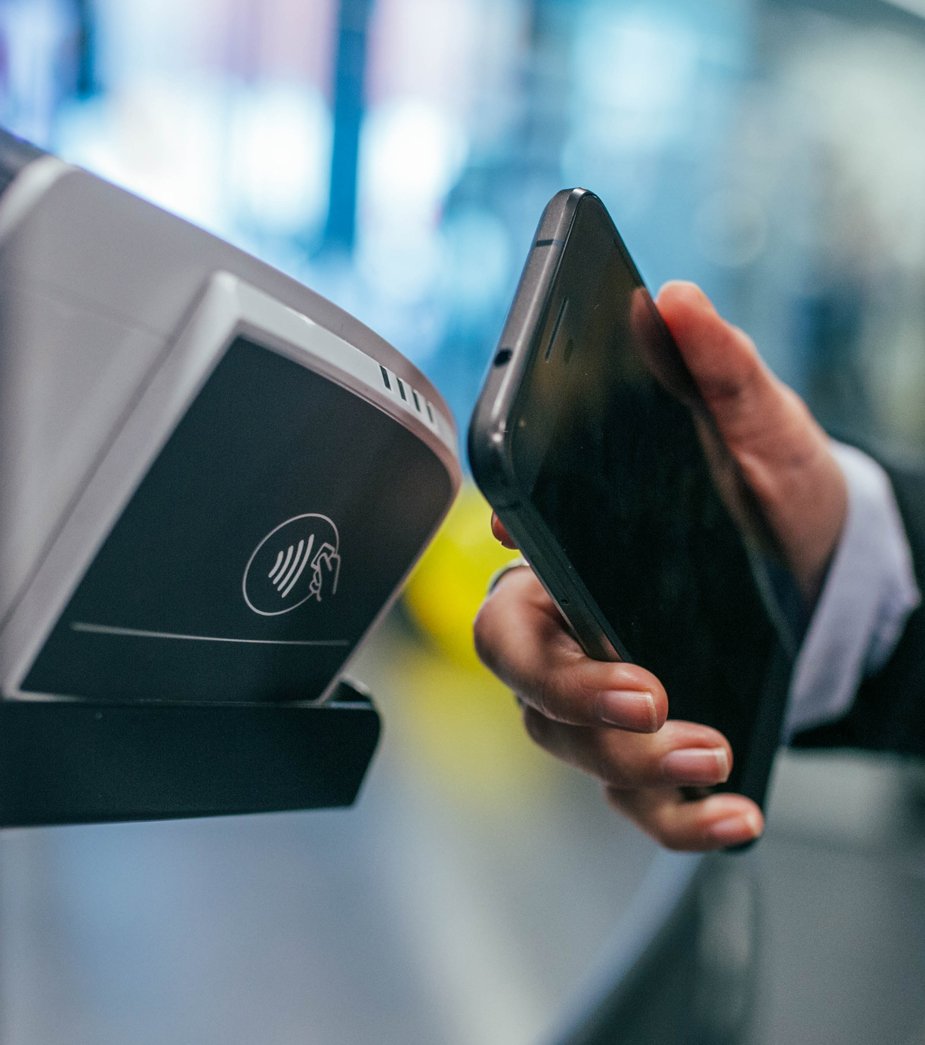
The Covid pandemic and the resulting social distancing forced the hospitality sector to implement more and more cardless payment platforms for customers. Cardless payment, also called contactless payment or “tap and go” payment quickly gained traction among the hospitality customers as these platforms avoided face-to-face interactions. Wireless communication standards like NFC (Near Field Communication) and RFID (Radio Frequency Identification) support cardless payments.
When compared to bank card transactions, cardless payments are faster and therefore save time of the customers. Contactless payment platforms via smartphones like Google Pay, Apple Pay and Samsung Pay are widely used by hospitality customers as they are highly convenient and time-saving.
Mobile Check-in Facility
Mobile app-based check-in improves the guest experience to a good extent. The hotel guests can conveniently skip the front-desk check-in formality with the help of mobile check-in. This saves the valuable time of the guests which is otherwise spent at the front-desk of the hotel. Evidently, the hotel management can reduce human intervention at the front desk. As a result, the employees are free to engage in activities that can improve the guest experience.
Smart Hotels use Voice Commands

Voice search and voice command facilities are installed in major hotel chains. The guest can control multiple devices inside the room using voice commands with ease. Tourists and guests making use of voice search to browse the internet is very common these days. Thanks to speech recognition technology. To add on, voice command facility also helps guests to order laundry services and contact hotel staffs for assistance.
Human intervention shall be replaced by “robotic intervention”
The responsibilities of a hotel desk executive can be handled by a robot with precision and efficiency. A robot can perform tasks like visitor-welcoming and information sharing. In near future, we might witness robots managing most of the hotel reception and lobby responsibilities.
Robots can also help the housekeeping department in cleaning. Eminent tech companies like SoftBank Robotics offer robot vacuum cleaners that are equipped with wide range of features.
The evident benefits of using robots in hospitality industry are listed below:
- Enhanced efficiency
- 24/7 operation facility
- Clean and hygienic environment
- Immaculate precision in cleaning timings
Virtual Reality (VR)
Virtual reality gives the customers an idea of “what they get” prior to making a hotel booking. This gives the hotel an advantage over the competitors who do not offer the VR facility to its customers. VR offers the customers an immersive experience of the hotel surroundings which includes rooms, parking area, hotel restaurant, lobby etc. The VR-aided features offered by some of the renowned resorts serve as visual treats to the customers.
Chatbots
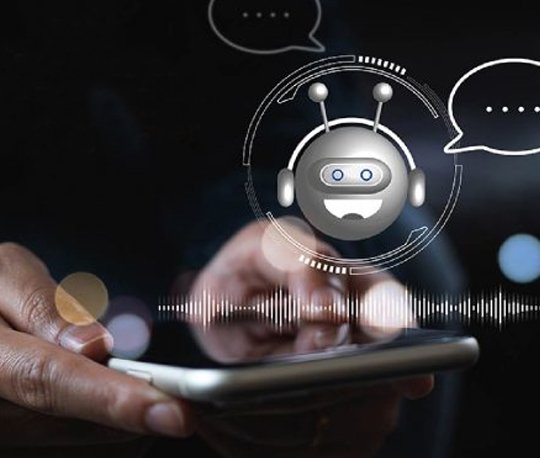
Chatbots are nothing new to the hospitality industry. They have been in the industry for a while and widely used for customer service. Even now, the demand for chatbots is growing. Chatbots efficiently handle customer queries on a 24/7 basis.
Hotels receive customer queries at all times. Therefore, the full-time availability of hotel-desk employees to attend these calls can be a bit challenging. Under these circumstances, chatbots handle the customer-attending task with great precision. Chatbots, if equipped, can even route the call to a human employee for better handling of the query.
Artificial Intelligence (AI)
The hospitality industry makes use of the AI technology to improve the customer experience and hence boost sales. AI-powered customer assistance starts right from online room-booking process to customer return journey. Understanding customer requirements and preferences is vital to improve the overall customer experience.
Hotels now employ AI-backed concierge services to improve the overall efficiency of the operations. The implementation of smart devices in hotel rooms like Alexa creates an interactive and engaging hotel experience for the customers. AI-powered phones that are installed in rooms provide guests both travel and hotel-related assistance.
Internet of Things (IoT)
Internet of Things (IoT) is widely used in most of the leading hotel chains to enhance the overall guest experience. The technology facilitates an internet-enabled ecosystem of devices and appliances which can gather data, communicate with other devices, and regulate various processes. Smart devices like Alexa and smart lighting devices make use of IoT technology. IoT-powered self-check-in kiosks are nowadays installed in the hotel lobby for check-in purposes. These devices are well-known for their smooth operation and added convenience. In fact, IoT creates a seamless hotel experience for the guests. The benefits pertaining to the hotel management are mentioned below.
- Streamlined processes
- Efficient housekeeping
- Enhanced customer satisfaction
- Energy-efficient operation, thereby reduced costs.
- Enhanced security for guests in the form of app-based door locks, emergency warning systems etc.
Augmented Reality (AR)
Augmented reality is nothing but an augmented or improved form of a real-time scenario or environment which comes with additional detailing. This additional detailing helps to understand the real-time scenario in a better way. It is implemented with the help of various tools and software applications.
Some of the benefits of AR in hospitality industry are:
- AR helps guest gain a better understanding of the physical environment, be it rooms, or other hotel facilities. For example, the guests can have a 3D view of the room prior to booking, so that they know what to expect.
- AR brings in an interactive experience for the guests and even the employees.
- AR-powered maps generate accurate and detailed information about specific areas of interest. Resorts leverage Augmented Reality to support and assist guests.
- AR-enabled games for entertainment.
- Gather customer information based on images to provide personalized offers and services.
Wifi 6
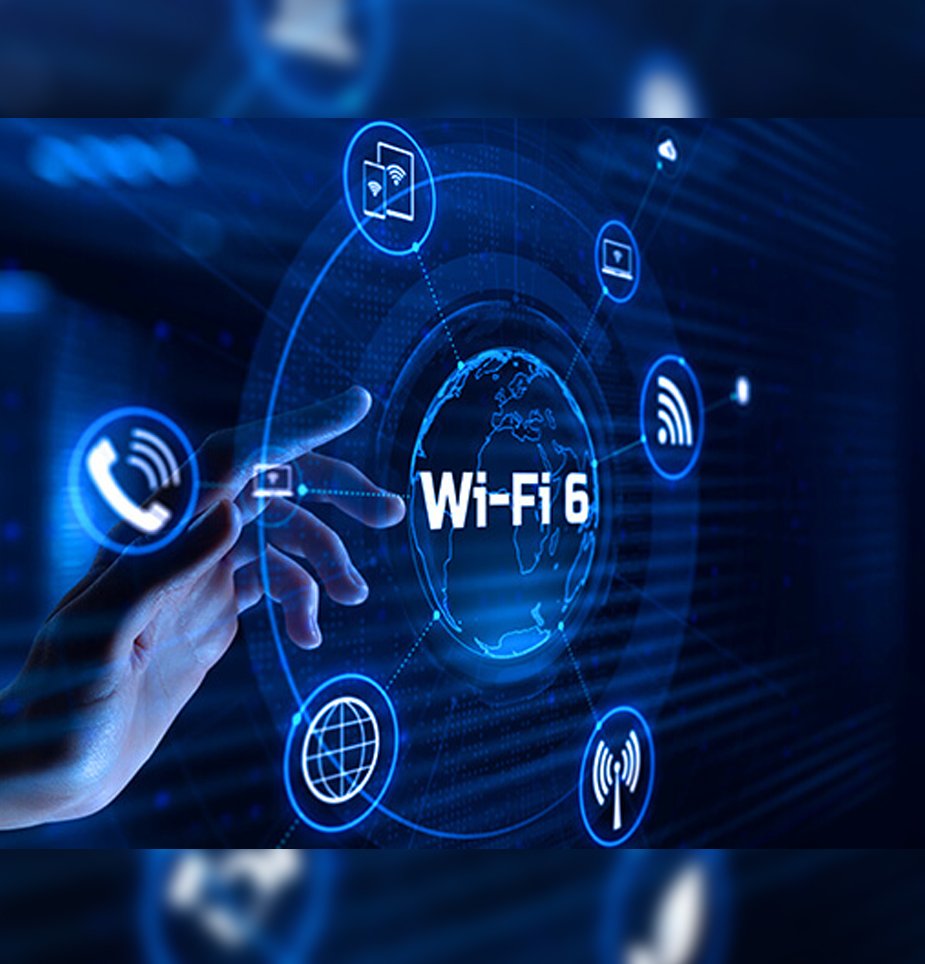
Wifi 6 is the upgraded version of the present Wifi 5 and is considered to be much faster than its predecessor. Wifi 6 guarantees enhanced throughput, and reduced congestion related to bandwidth.
The incorporation of Wifi 6 improves the overall hospitality experience of both the guests and the employees. The interconnectivity of smart devices has become a necessity these days. And in order to meet the increasing demands, the use of an upgraded version of the present Wifi technology is necessary. Improved speed and reliable connectivity matter a lot to the hospitality industry.
Technology for sustainable hospitality
Hotels today are leaning heavily on smart energy management systems. For example:
- IoT sensors that regulate lighting
- Heating and cooling based on occupancy
- Solar-powered installations to cut consumption
Water recycling systems, energy-efficient appliances, and AI-based analytics for predicting usage patterns are also gaining traction. Together, these technologies help hotels reduce their carbon footprint while improving guest experience. It’s actually a win-win for the both the parties.
AI-powered Holographic avatars for hotel check-in
Now, this is really interesting.
Holographic avatar projects a lifelike, 3D digital assistant that greets guests at the hotel lobby. The digital avatar walks guests through the check-in process and answers common queries without any staff assistance.
The avatar guides them through room verification, ID scanning, and key card issuance.
It’s an emerging, futuristic technology innovation in hospitality. For more, please visit our AI-powered holographic avatars blog here.
To Conclude
Customers seek more control and convenience in their day-to-day transactions and engagements. They would love to do things in their own terms and convictions. This is a key aspect that hospitality professionals need to understand.
The technology trends in hospitality industry are hugely influenced by the emerging technologies. Hence these trends keep on changing. The hospitality business will witness more and more technological advancements in the very near future. Those advancements are bound to make a huge impact on hotel and restaurant management. Therefore, in order to stay ahead in this dynamic domain, it is very essential to monitor the happenings taking place in the fields of technology and innovation.
Frequently
Asked Questions
Not all latest technology trends in hospitality move at the same pace. AI-powered guest personalization and self-service kiosks tend to lead the pack, mainly because they deliver a quick, measurable return on investment.
Most of these trends are now more accessible than they used to be. Chatbot integrations, and even basic self-service kiosks now come at price points that smaller properties can realistically consider. The bigger-ticket items, like holographic avatars or full IoT-driven energy systems, are still largely the domain of larger hotel groups, at least for now.
It’s actually a mix of requirements. Business travellers and younger guests often lean towards speed and convenience, like self-check-in, chatbot support. Leisure and luxury travellers still value human warmth at key touchpoints. The smartest hotels don’t choose one over the other, they blend both.
IoT-based energy management and smart room automation tend to have the most direct sustainability impact. They cut energy waste in real time rather than relying on guest behaviour. Even self-service check-in kiosks contribute to the cause, through paperless transactions and digital receipts.
If the budget is tight, you may start with whichever trend solves your biggest operational challenge. For most properties, that's usually front-desk congestion or energy costs. Self-service kiosks address the first, smart energy systems address the second. The right starting point really depends on your property type and guest profile.